
E Pluribus Unum Pulse
The Pulse
October 5, 2026·E Pluribus Unum Pulse




Executive Summary
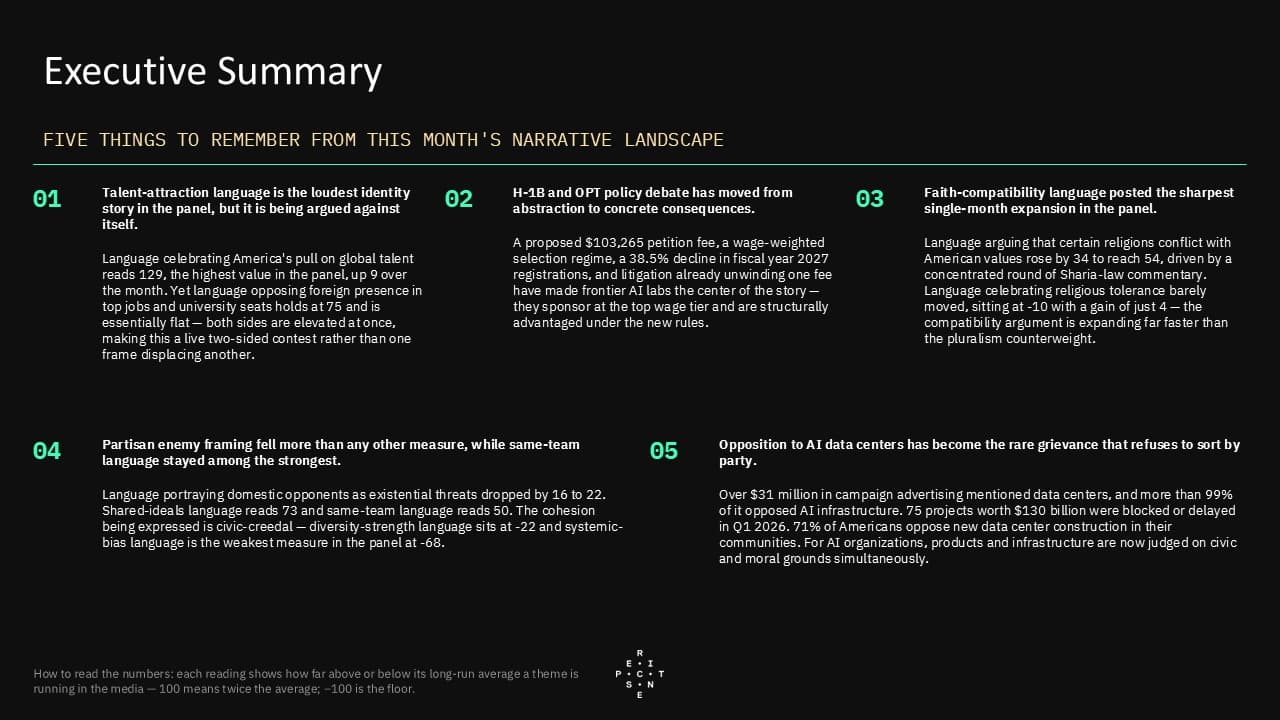
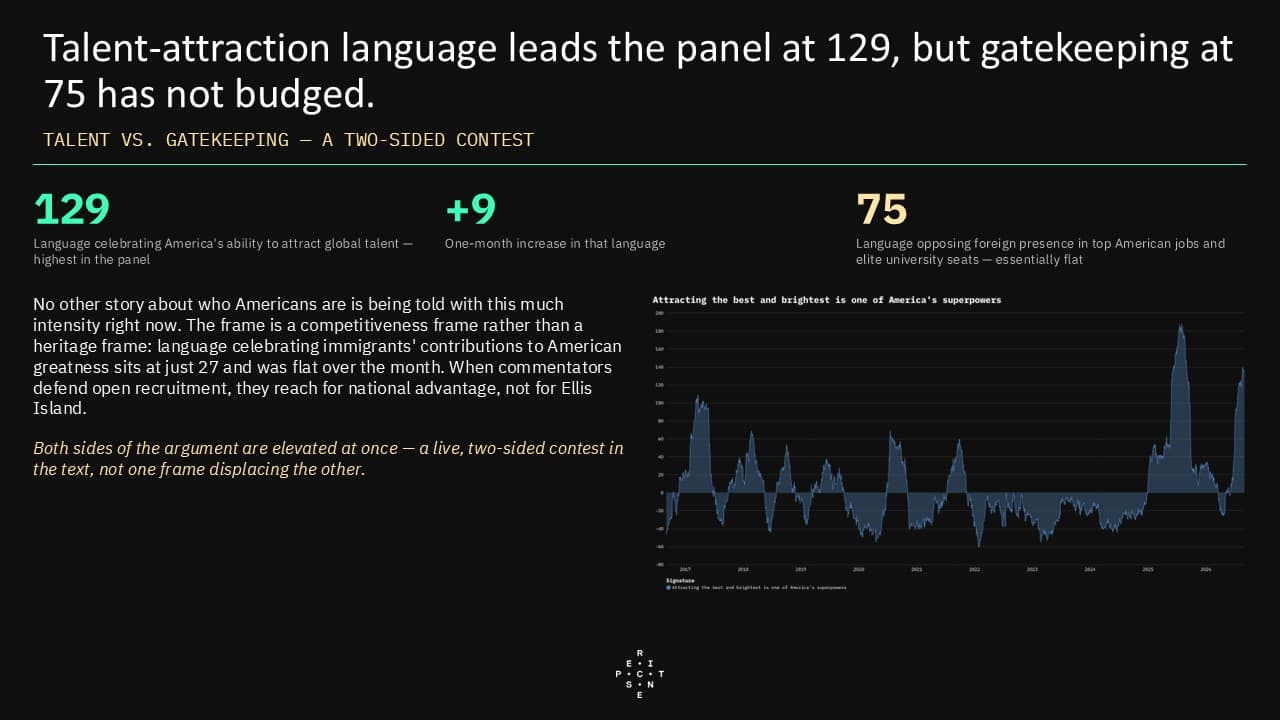
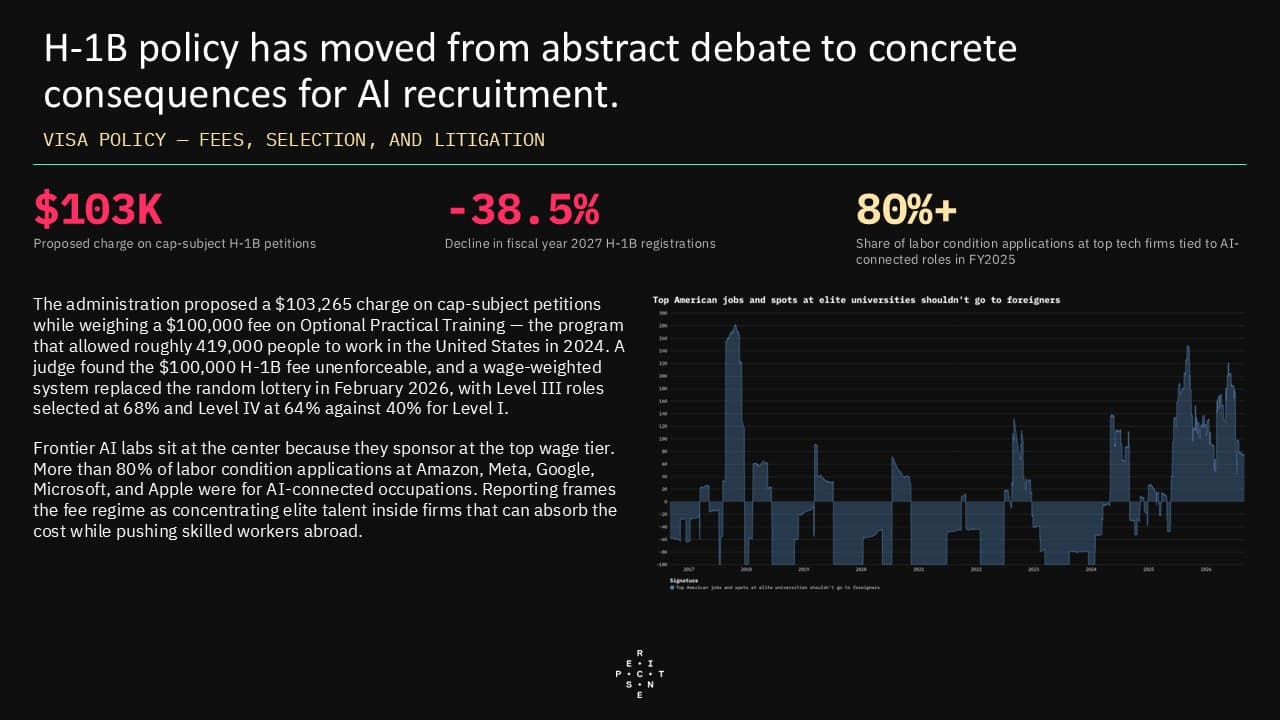
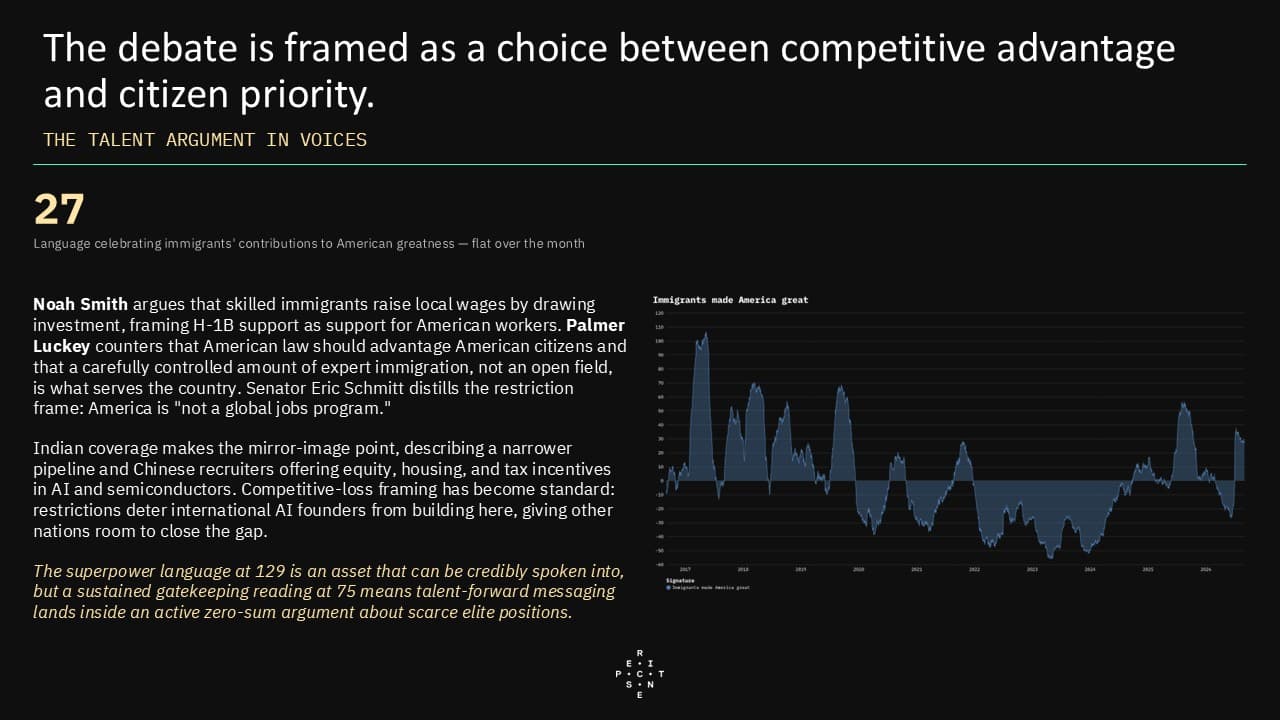
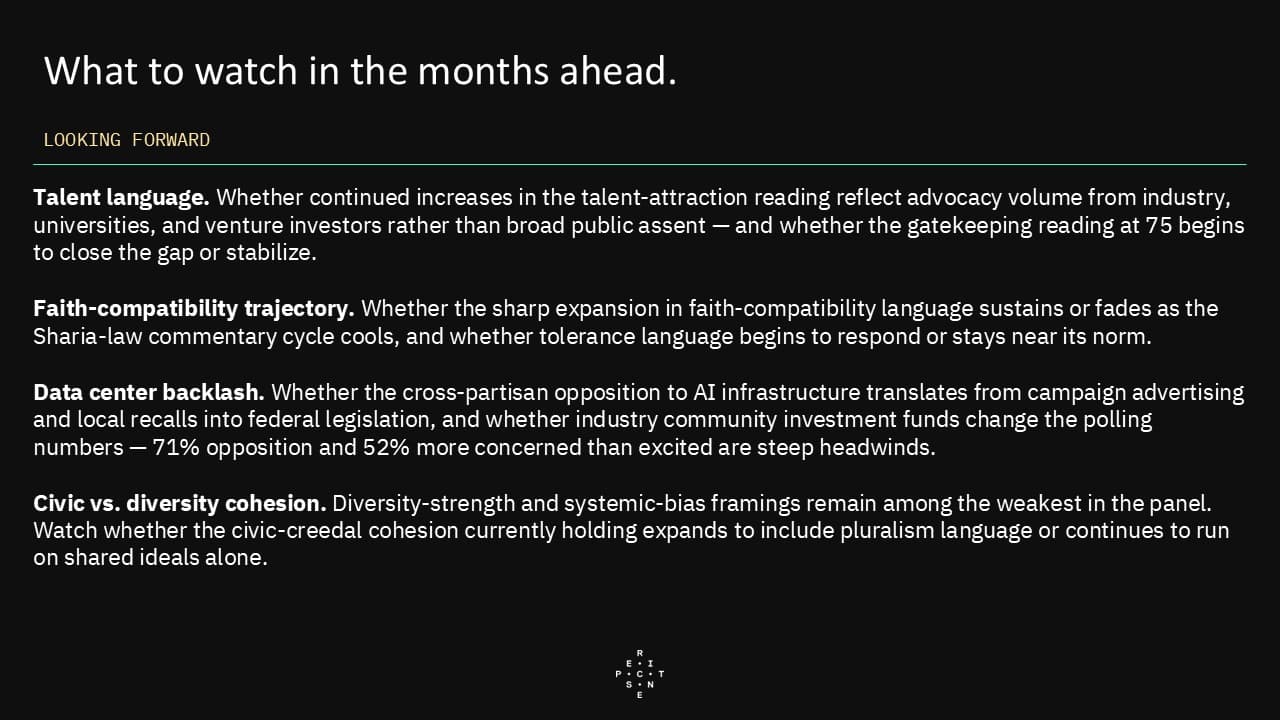
- Media is affirming two incompatible talent stories at once. Perscient's semantic signature tracking celebration of America's ability to attract the world's best talent sits near the top of our set and did not weaken at all this month, while the signature tracking opposition to foreign enrollment in American institutions and jobs posted the fastest acceleration of anything we track. Coverage is not trading one frame for the other; it is advancing both, which means recruiting messages built solely on the magnet story will now be read against a hardening preference for domestic candidates.
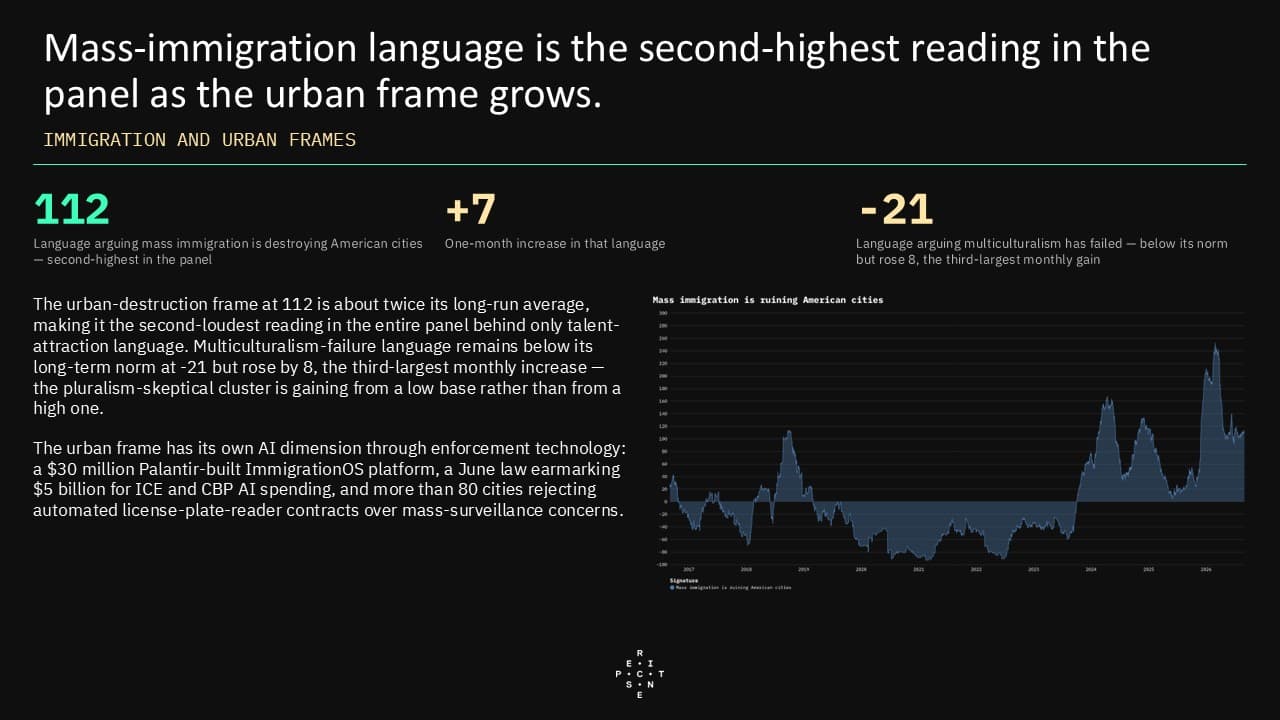
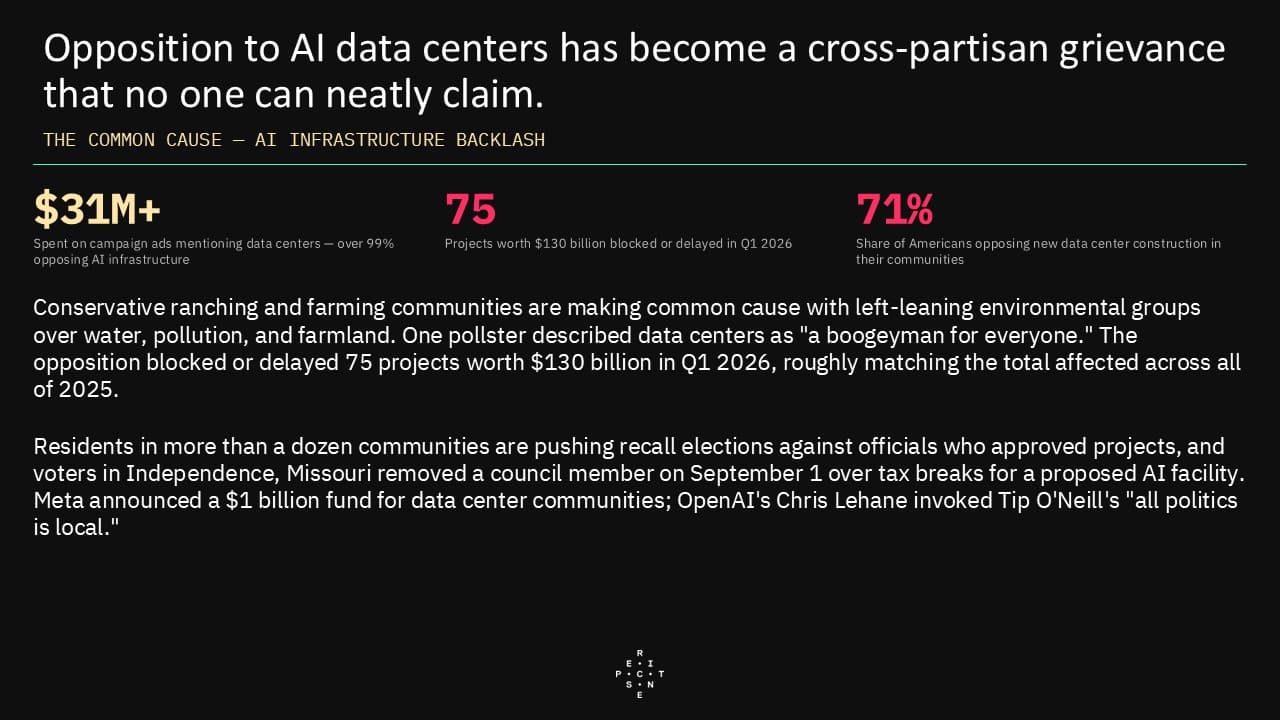
- Place-based grievance has become a single reusable argument applied to migration and to compute alike. The signature tracking claims that mass migration is destroying America is the densest in the entire set and still climbing, but the striking development is that identical community-loss vocabulary — shuttered storefronts, canceled festivals, a town losing its texture — is now being aimed at immigration enforcement itself and at data center construction. The structure of "outside forces reshaping a town without its consent" travels easily between subjects.
- AI organizations are positioned inside that contested-hometown story twice over. Reporting ties the sector to enforcement through surveillance and analytics procurement, and to local disruption through transmission lines, moratoriums and farmland fights. Vendor and siting decisions taken this quarter will be interpreted within the most intense version of this narrative environment our series has recorded, which is why community-investment and transparency announcements are being framed by executives as a matter of national AI standing rather than public relations.
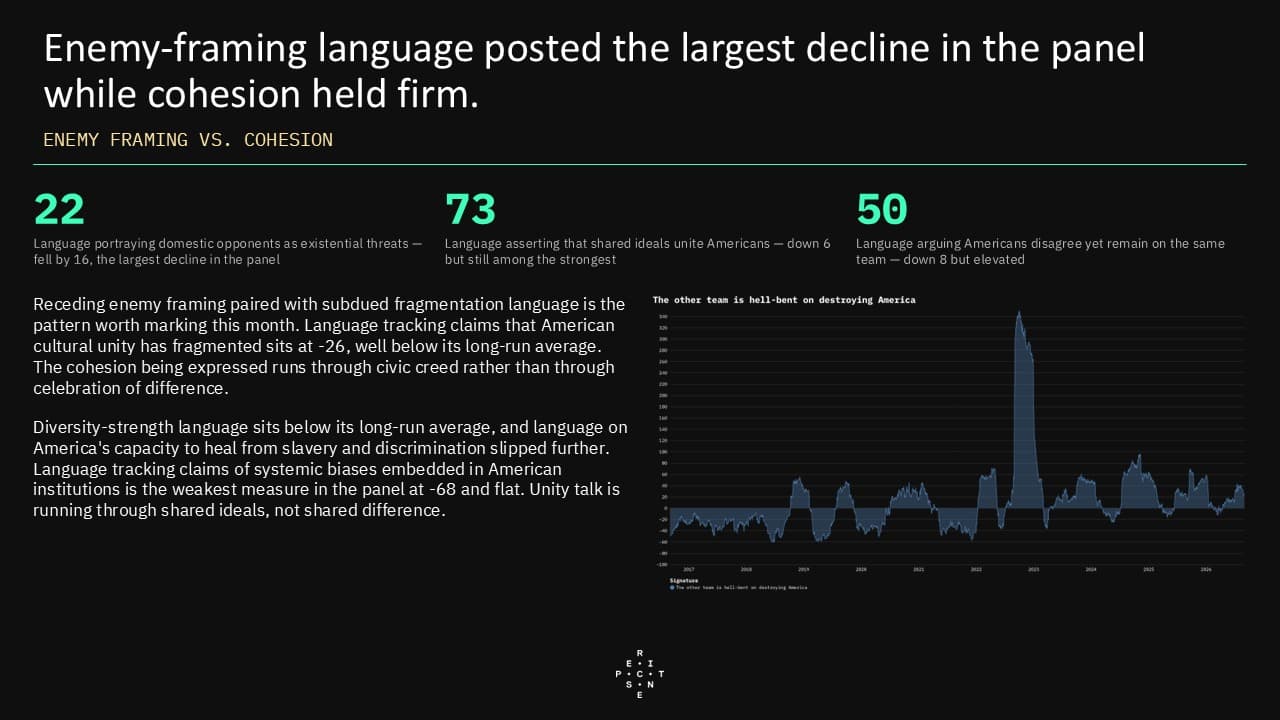
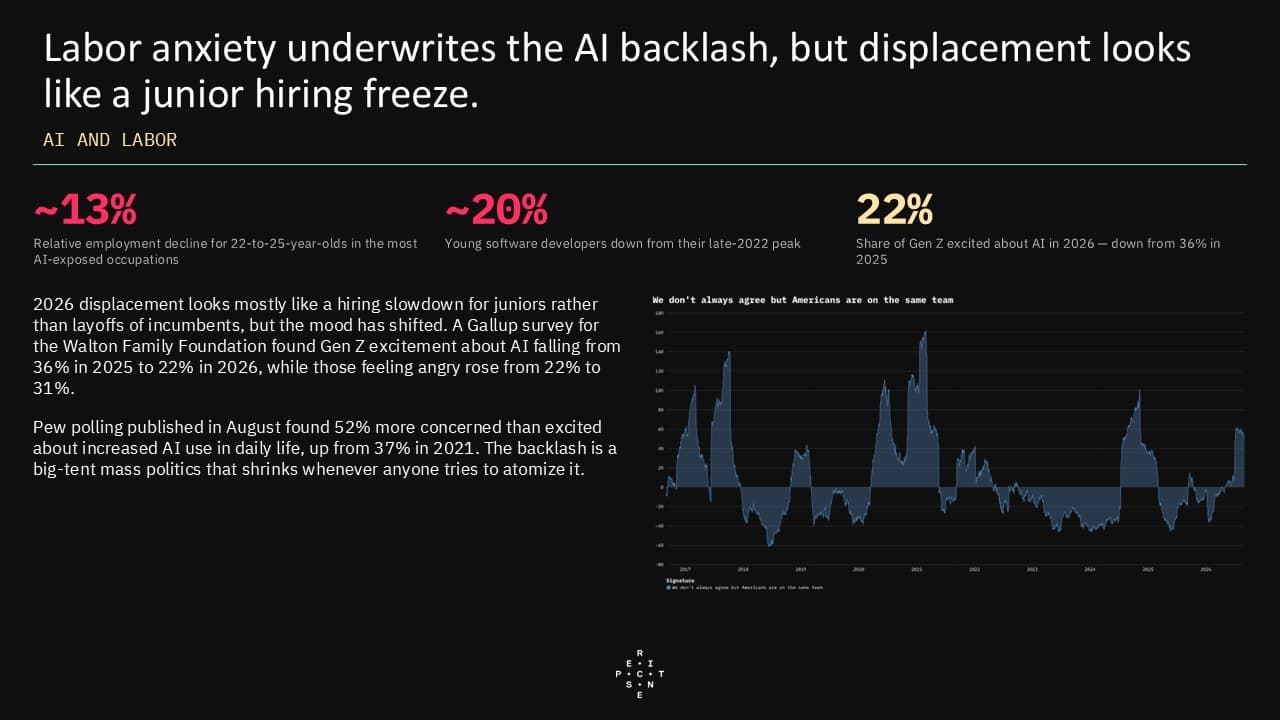
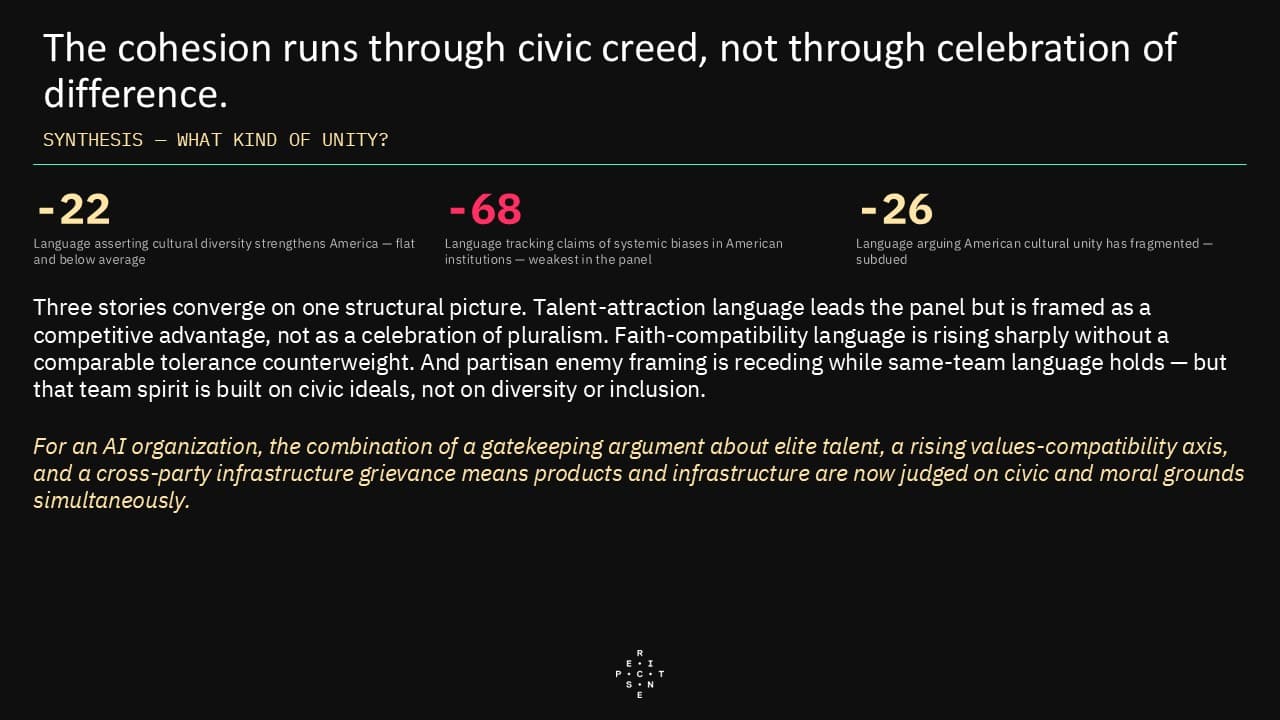
- Common-cause language is strengthening while the equity vocabulary thins, and no enemy framing is paying for it.Language arguing that Americans remain on the same team despite disagreement gained ground, creed-based unity held at sustained high density, and portrayals of domestic opponents as existential threats stayed flat. Meanwhile both halves of the equity frame — diagnostic claims about institutional bias and aspirational claims about diversity's benefits — moderated together, with declinism failing to absorb the difference.
- Fairness scrutiny is relocating rather than retreating, which changes how AI governance must be described. Federal procurement rules now cast model requirements in the register of neutrality and truth-seeking, matching the softening of institutional-bias language. Yet the bias vocabulary retains full force when applied to specific deployed systems, particularly enforcement analytics, and it is surfacing in new enforcement actions on hiring data. The argument is migrating from institutions to individual systems, so responsible-AI work framed in older institutional terms risks becoming illegible to the audiences that matter.
Last updated: ...